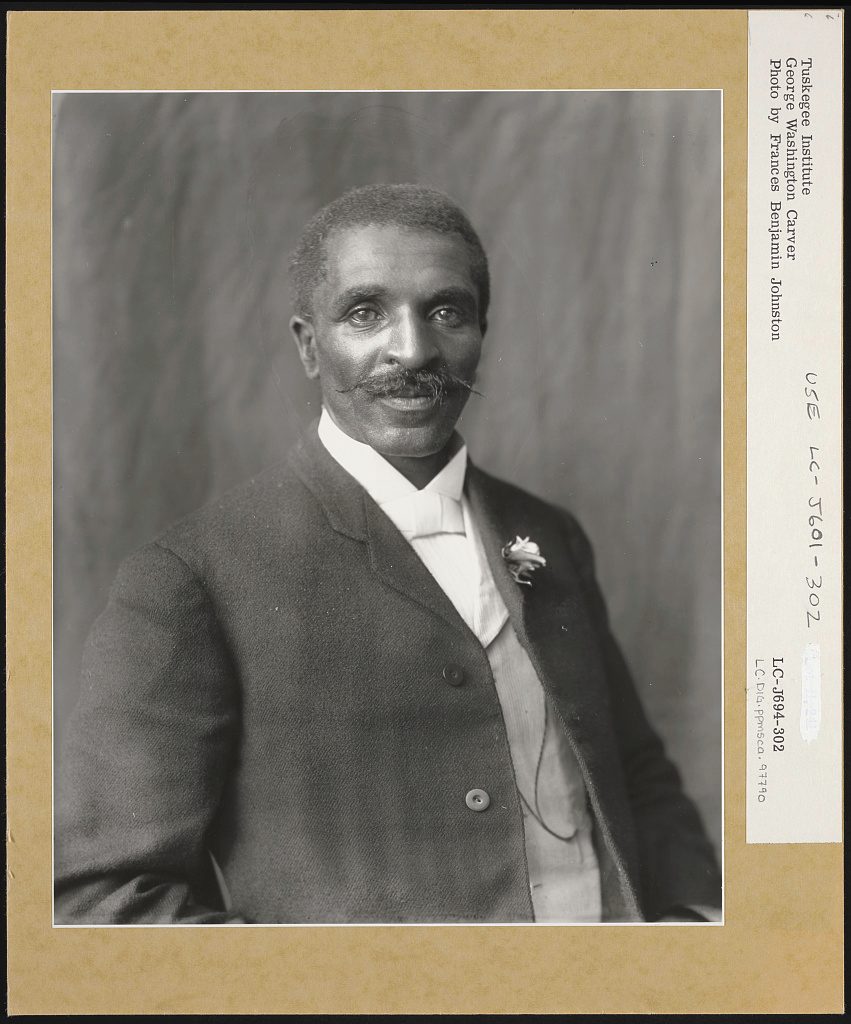
Frances Benjamin Johnston, 1906. Library of Congress, LC-DIG-ppmsca-97790.
Catalog record001Science
George Washington Carver
The Soil Remembers.
At Tuskegee, Carver connected agricultural research with practical education for farmers. For T&T, science begins with observing the land and testing what works.
Read the Science profile →
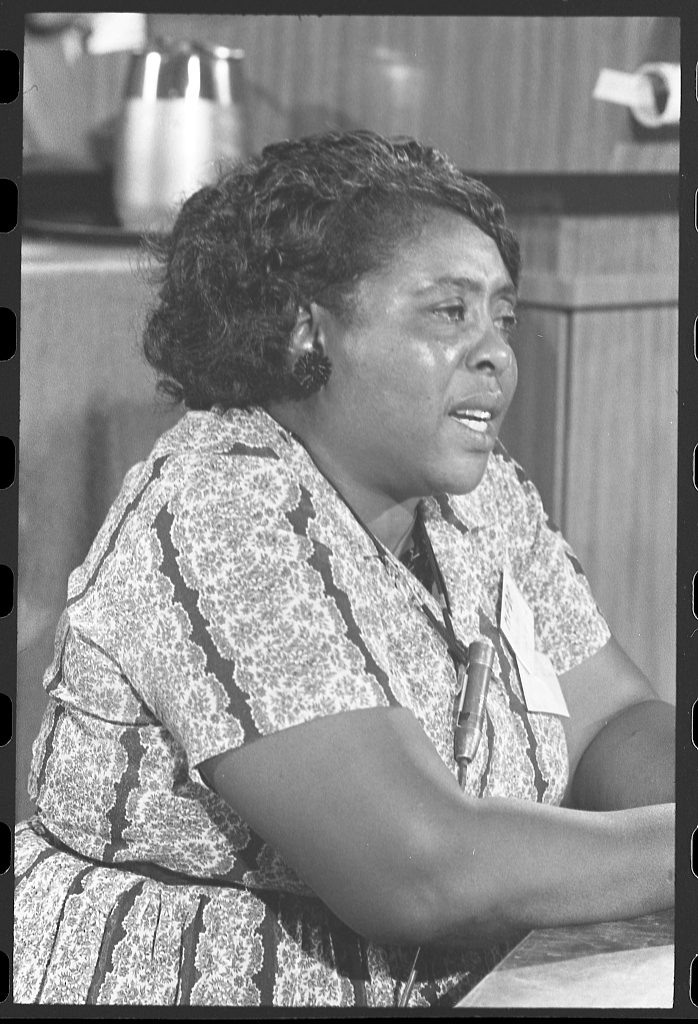
Warren K. Leffler, 1964. Library of Congress, LC-DIG-ds-07134.
Catalog record002Land
Fannie Lou Hamer
Land Is Freedom.
Hamer’s Freedom Farm Cooperative connected food and shared resources to economic opportunity. Her example asks who has access to land — and who benefits from it.
Read the Land profile →
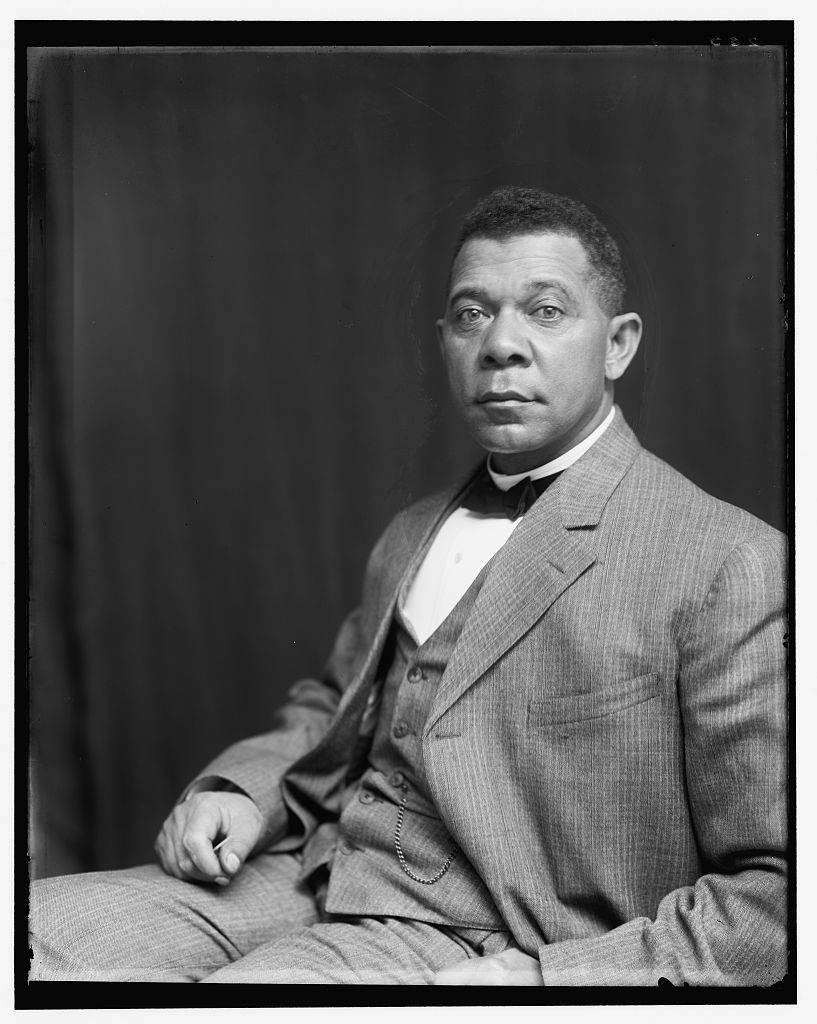
Frances Benjamin Johnston, c. 1895. Library of Congress, ppmsca.23961.
Catalog record003Education
Booker T. Washington
Build. Grow. Own.
Washington’s leadership at Tuskegee made practical education an institution-building project. We draw on that commitment to connect learning with useful skills and enterprise.
Read the Education profile →
The Movable School
1906
Became the first Black Extension agent
Thomas Monroe Campbell
Tuskegee, Alabama
Archival photograph to come.
004Training
Thomas Monroe Campbell
Take Knowledge to the People.
Campbell helped carry agricultural education beyond the campus through demonstration and Extension. Knowledge matters when people can put it to work.
Read the Training profile →
United States Patent
1834
Patent granted for a seed planter
Henry Blair
Maryland
No verified portrait of Henry Blair is available.
005Innovation
Henry Blair
We Have Always Innovated.
Blair’s patented seed planter is part of the record of Black agricultural invention. Innovation can begin with a practical problem encountered in everyday farm work.
Read the Innovation profile →
Small-Farm Enterprise
Clientele Membership Club
Direct to the customer
Booker T. Whatley
Tuskegee, Alabama
Archival photograph to come.
006Enterprise
Booker T. Whatley
The Farm Is a Business.
Whatley emphasized direct customer relationships and a business model suited to a small farm. Producing well and reaching a market belong in the same plan.
Read the Enterprise profile →